
 HR Core
  Onboarding
  Remuneration
  Performance Management
  Learning Management
  By industry
  By role
  By use case
  Customer Success
  Implementation
  Training & Development
  Partner Program
  Partner Finder
 Bring transparency to performance and pay decisions
Disconnected performance and pay data can lead to misaligned rewards, lost time, and budget drift. ELMO connects your processes in one platform, so HR, managers, and Finance can reward top performers with confidence, without losing control of spend.
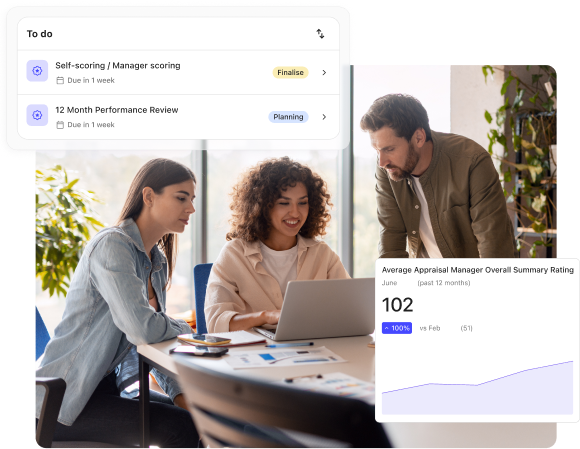
Performance, pay, and talent decisions
Shared visibility across teams
Reward performance, within budget
Performance reporting in seconds
Run performance and pay reviews with confidence
Trusted by HR and People leaders


Your path to success with ELMO
Build your foundations
Connect your systems
Drive continuous improvement
Clarity and control where it matters most
One platform, one version of the truth
Designed for complex organisations
Structured decisions, not guesswork
Dedicated Support
Frequently Asked Questions
Most organisations manage performance reviews manually or in seperate systems, and remuneration planning is done seperately. This creates data silos, forces constant manual disemination and consolidation that takes 2-3 weeks per cycle, and prevents transparent budget modeling. The lack of integrated data makes it difficult to ensure pay decisions fairly reflect performance outcomes.
One of the biggest challenges HR managers face is ensuring calibration consistency when managers rate in isolation. Without visibility across divisions, unconscious bias and inconsistent rating standards can result in pay inequity and employee dissatisfaction.
Best practices for fair calibration include:
- Real-time comparison views: Use dashboards that filter performance ratings by role, level, team, and division so you can compare how different managers are rating similar roles before salary decisions are made
- Calibration meetings with live data: Run calibration sessions where leaders from each division review ratings together using real-time data, not stale spreadsheets.
- Separate performance from salary timing: Complete and calibrate performance ratings first, then reveal salary data for remuneration decisions. This prevents salary information from influencing performance assessments.
- Standardised rating templates: Use consistent competency frameworks and rating scales across all managers to reduce subjective interpretation.
Performance data transparency means all relevant stakeholders such as HR, managers and Finance can access consistent, real-time performance information from a single source. This eliminates data silos, ensures pay decisions align with actual performance outcomes, and gives organisations confidence in their remuneration planning.